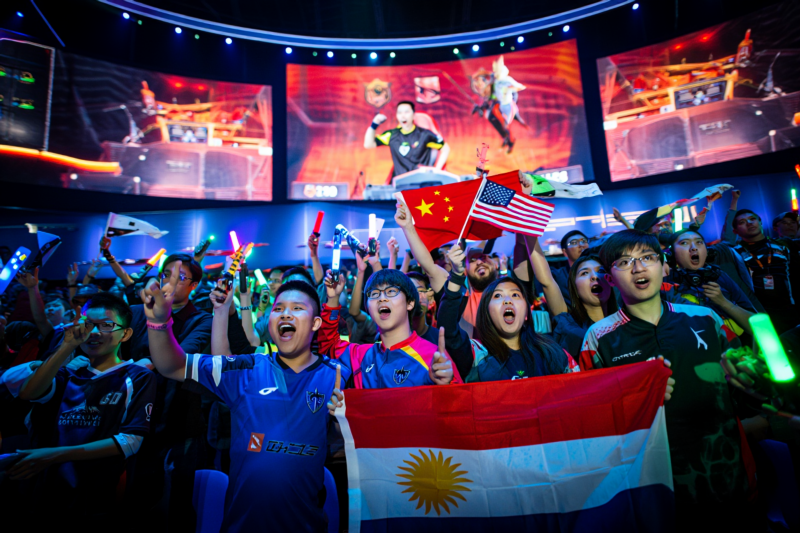
As one of the most anticipated events in the esports calendar, *The International 2026* promises to showcase the world’s best Dota 2 teams battling for glory. But before the global stage is set, regional power dynamics are shifting at an unprecedented pace. Understanding these key regional changes is essential for fans, analysts, and aspiring pro players aiming to grasp the evolving competitive landscape.
Discover the crucial regional shifts shaping the journey toward The International 2026. Learn how these influences impact team strategies, talent distribution, and tournament outcomes. Stay informed. Explore the dominant trends now.
Key Regional Power Shifts: Analyzing the Changing Landscape
1. Southeast Asia Emerges as a New Contender
Background: Historically, Southeast Asia (SEA) was considered a passionate, talent-rich region often overshadowed by the traditionally dominant West and China.
Recent Trends:
- Investment in local talent development.
- Increasing performance in international tournaments.
- Rise of teams like *T1*, *Boaster*, and rising stars transforming regional strategies.
Impact:
- SEA teams are now competitive on the world stage.
- Greater focus on innovative strategies and flexible drafts.
- Potentially reshaping the tournament bracket and regional qualifiers.
2. Europe’s Resurgence and Evolving Power Dynamics
Background: Europe has always been a competitive region but experienced fluctuations in recent years.
Current Trends:
- Notable performances from teams like *Team Secret*, *Alliance*, and *OG*.
- Advanced training facilities and increased investment.
- Strategic adaptability in patch updates influencing tactics.
Impact:
- Europe’s rising strength signals a more diverse and unpredictable tournament landscape.
- Paves the way for cross-regional rivalries and unexpected eliminations.
3. North America’s Consistent Growth Factors
Background: NA teams have been a consistent presence but lacked the recent edge necessary for deep tournament runs.
Recent Developments:
- Focus on young talent and innovative draft strategies.
- Increased participation in regional qualifiers with promising results.
Impact:
- North America could break through previous ceilings.
- A potential “rise of the North American giants” approaching TI 2026.
4. China’s Stable but Strategic Position
Background: China remains a powerhouse but is facing increased competition.
Trends:
- Keeping top-tier teams like *Vici Gaming* and *PSG.LGD* competitive.
- Adapting to meta shifts faster than global counterparts.
Impact:
- Maintaining dominance while allowing room for other regions to challenge.
- Continued influence over the tournament’s meta dynamics.
How These Regional Changes Influence the Path to TI 2026
| Aspect | Regional Shift Impact | Examples |
| Talent Development | More regions producing high-caliber players | SEA’s rise, NA youth focus |
| Tournament Qualifiers | Increased diversity of teams in main events | Europe’s strong comeback, SEA emerging |
| Meta & Playstyle Evolution | Different regions bring unique strategies, Meta shifts | SEA’s innovative drafts, China’s meta mastery |
| Competitive Intensity | More unpredictable outcomes | Potential for surprise upsets and new champions |
Why Staying Informed Matters for Fans and Competitors
- Fans: Enhances understanding of favorite teams’ prospects.
- Analysts: Better prediction models for tournament brackets.
- Pro Players: Insights into meta shifts and region-specific strategies.
- Organizations: Strategic planning based on regional trends.
The journey toward *The International 2026* is heavily shaped by regional power shifts. From Southeast Asia’s rise to Europe’s resurgence, every change influences the global competitive landscape. Staying tuned to these developments is crucial—these shifts determine the teams to watch, the strategies to adopt, and ultimately, who will lift the Aegis of Champions.
Discover more about how these regional shifts will influence The International 2026. Stay informed, analyze trends, and prepare for an era of exciting, unprecedented esports battles.
FAQs
What are the most notable regional shifts leading into TI 2026?
The most notable shifts involve Southeast Asia’s rising talent, Europe’s strategic resurgence, and North America’s potential breakthrough, alongside China’s stable dominance.
How do regional power changes affect team strategies?
Teams adapt their drafts, hero picks, and playstyles based on regional meta influences, often adopting innovative strategies to gain an edge.
Why is regional analysis important for predicting TI 2026 outcomes?
Understanding regional shifts provides insight into team strengths, weaknesses, and meta trends, making it easier to forecast potential winners and dark horses.
Stay Ahead in Esports – Follow CyberFeed Arena
For comprehensive coverage of *The International 2026* journey, update your knowledge with CyberFeed Arena—your next-generation esports platform. We track meta shifts, roster moves, patch updates, and tournament dynamics across CS2, Dota 2, League of Legends, Valorant, EA FC, Fortnite Mobile, and emerging titles.
Join us now. Be part of the future of esports.