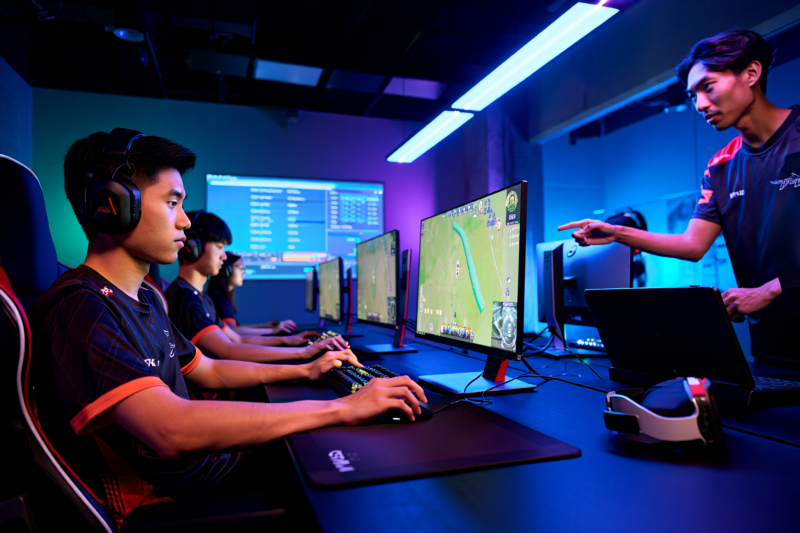
In the fast-paced, fiercely competitive world of esports, achieving peak performance is no longer optional—it’s essential. As esports titles like CS2, Dota 2, League of Legends, Valorant, and Fortnite continue to evolve, so must your training strategies. The key to success lies in crafting an optimized bootcamp that prepares pro players for tournament glory.
This article delves into expert-driven tactics, innovative training plans, and dynamic performance enhancement techniques to ensure your team or personal gameplay is at its best when it matters most. Whether you’re an aspiring pro or a seasoned competitor, learning how to design an effective bootcamp for 2025 will give you the competitive edge you need.
Why a Properly Designed Bootcamp Matters in Esports
The Impact of Structured Training on Tournament Outcomes
A well-structured bootcamp acts as a crucible—catalyzing skill development, teamwork, mental resilience, and strategic adaptability. Here’s what an ideal training regimen accomplishes:
- Skill Refinement: Focused drills to sharpen mechanics, game knowledge, and situational awareness.
- Team Cohesion: Building synergy, communication, and coordinated strategies.
- Mental Fortitude: Stress management, focus enhancement, and resilience to pressure.
- Meta Adaptation: Keeping pace with patches, meta shifts, and evolving strategies.
The Role of Data in Bootcamp Optimization
Harnessing game analytics, performance metrics, and meta-trend analysis allows tailored training plans that address specific weaknesses and capitalize on emerging opportunities.
Designing Your Esports Bootcamp for 2025
1. Set Clear and Measurable Goals
Establish objectives grounded in performance metrics:
- Improve reaction times by a specific millisecond count.
- Increase win rates in ranked or scrim matches.
- Enhance team synergy scores.
- Master new patch mechanics within a set timeframe.
Tip: Use performance tracking tools and software to monitor progress objectively.
2. Incorporate Cutting-Edge Training Modules
| Module | Focus Areas | Tools & Techniques |
| Mechanical Skill Training | Aim precision, movement, reflexes | Aim trainers, custom drills |
| Tactical Play & Strategy | Map awareness, rotations, timings | Replay analysis, scenario simulations |
| Communication & Teamwork | Callouts, synergy, adaptability | VR team exercises, daily syncs |
| Mental Conditioning | Focus, stress resilience | Mindfulness, sports psychology apps |
| Meta & Patch Analysis | Understanding shifts & counters | Weekly meta reports, patch review sessions |
3. Leverage Emerging Technologies
- VR & AR: Enhance spatial awareness and reaction training.
- AI Coaches: Utilize AI-driven analytics for personalized feedback.
- Performance Wearables: Track physiological data like heart rate and stress levels.
4. Implement Progressive Training Blocks
Adopt a phased approach:
- Foundation Phase: Building core skills and mental health strategies.
- Intensification Phase: Focused scrims, meta adaptation, advanced strategies.
- Taper & Recovery: Ensuring peak freshness before tournaments.
5. Schedule Regular Performance Evaluations
Conduct weekly reviews, scrim debriefs, and data analysis to adjust training loads and focus areas dynamically.
Expert Tips for Effective Tournament Preparation
- Simulate Tournament Conditions: Use realistic settings, time constraints, and pressure scenarios.
- Prioritize Rest & Recovery: Prevent burnout with proper sleep, nutrition, and downtime.
- Focus on Flexibility: Adapt your bootcamp based on patch notes and meta changes.
- Involve Mental Coaches: Strengthen mental resilience and focus.
- Foster a Growth Mindset: Celebrate small wins to motivate continuous improvement.
Frequently Asked Questions
How long should a typical esports bootcamp last?
Optimal durations vary based on team size and goals but generally range from 2 to 6 weeks. Intensive phases might be shorter but more focused, followed by maintenance periods.
What tools can help track progress during bootcamp?
Popular tools include:
- Stat Tracking Platforms: Overwolf, Mobalytics, Dotabuff.
- Performance Metrics Software: MIND, Aimlabs, VTrack.
- Team Communication: Discord, Slack integrations for real-time feedback.
How do I balance training intensity with player well-being?
Integrate regular breaks, mental health check-ins, and ensure downtime. Use fatigue monitoring tools and foster a supportive environment emphasizing long-term sustainability.
Designing an impactful esports bootcamp in 2025 requires meticulous planning, technological integration, and adaptive strategies. By focusing on skill development, mental resilience, meta mastery, and data-driven insights, you set the stage for peak tournament performance.
Take action now: Start evaluating your current training routines, incorporate innovative tools, and set clear objectives. Remember—consistent, strategic preparation is the blueprint for esports success.
*Ready to elevate your esports performance? Contact our experts for tailored bootcamp planning and cutting-edge training solutions designed for 2025 and beyond.*